
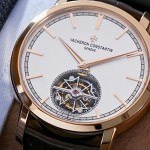
Can a replica watch pass as genuine?
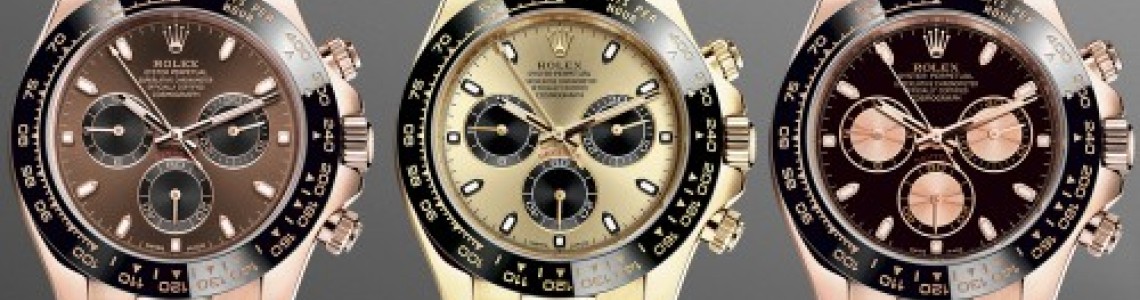
The ability of a replica watch to pass as genuine depends on its quality level and the observer's expertise. Here’s a breakdown of how convincing different replicas can be:
1. Low-Quality Replicas ($50-$200)
❌ Easily Detectable
• Incorrect weight, poor finishing
• Printed (not engraved) logos/markers
• Mineral glass instead of sapphire
• Non-functional complications
2. Mid-Range Replicas ($200-$500)
⚠️ Pass Casual Inspection
• Decent weight & finishing (e.g., Omega Seamaster)
• Functional chronographs in Tag Heuer Carrera
• Basic Asian automatic movements
3. Super Clone/1:1 Replicas ($500-$1,000)
✅ Often Fool Experts
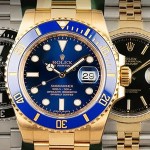
• Materials: 904L steel (Rolex Submariner), ceramic bezels (Daytona)
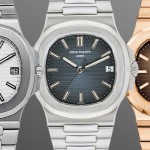
• Movements: Cloned Swiss (e.g., Patek Nautilus with PPF/3KF movements)
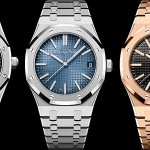
• Details: Laser-engraved serials, anti-reflective sapphire (AP Royal Oak)
Key Giveaways Even in Top Replicas
• Movement Finishing: Slightly rougher rotor decoration
• Micro-Text: Holograms/certificates may be imperfect
• Power Reserve: Often shorter than genuine
Where to Buy "Foolproof" Replicas?
For replicas that closest match genuine, visit xwatches.ws featuring:
• Rolex (GMT-Master II, Datejust)
• Patek (Aquanaut)
• Audemars Piguet (Royal Oak Offshore)
Pro Tip: Stick to super clones from trusted sellers like xwatches.ws for the best deception-to-dollar ratio. Would you like recommendations for the most "gen-like" models?
2 Comment(s)
You definitely made the point.
Tips very well considered!
Leave a Comment